All Categories
Featured

The Impact of Inflation on Tennessee Credit Scores
Table of Contents

Shifting Realities of Credit Evaluation in Tennessee
The financial environment of 2026 has moved far from the fixed, regular monthly snapshots that defined the previous years. For citizens in Tennessee, the method creditworthiness is determined now counts on a constant stream of data points rather than a single number updated every thirty days. Modern algorithms have approached cash-flow underwriting, which prioritizes actual liquidity and spending habits over historical financial obligation management alone. This change means that an individual's everyday financial behavior carries more weight than it did just a couple of years earlier.

Financial counselors in 2026 stress that the standard credit report is becoming a secondary metric. Lenders are increasingly using exclusive models that integrate straight with bank accounts to confirm earnings and outgoing expenses in real-time. This shift has been driven by the need for more precise risk evaluation in an economy where gig work and non-traditional income streams prevail. For those residing in Tennessee, these modifications offer both opportunities and difficulties, as a single month of bad money management can reflect on a profile much faster than under older systems.
One significant advancement in 2026 is the widespread adoption of trended information. Instead of looking at a balance on a particular day, algorithms now analyze whether a customer is "paying for" or "revolving" their debt over a 24-month period. This distinction helps lending institutions recognize people who are caught in a cycle of financial obligation versus those who are actively enhancing their monetary position. Lots of people find that concentrating on Distance Learning helps preserve a favorable trajectory even if their total debt remains moderate.
Integration of Alternative Data Points
By 2026, the addition of "alternative" information has become standard practice across all significant bureaus. This includes lease payments, energy expenses, and even membership services. Previously, these products just appeared on a report if they went to collections, however modern-day models reward constant on-time payments for these everyday expenses. This change has actually helped countless people with "thin" credit files develop a footprint without requiring to take on high-interest credit card debt.
In Tennessee, local home management firms and energy companies have actually mostly automated the reporting of these payments. Therapists typically recommend customers to ensure their Online Courses is correctly connected to these accounts to take full advantage of the advantage. If a person pays rent on the very first of the month for 3 years directly, the 2026 algorithms treat this as a high-intent sign of reliability, comparable to a home loan payment. This leveling of the field enables tenants to contend for much better rates of interest on auto loans and individual lines of credit.
Professional strategies now include "data hygiene" instead of simply balance management. Consumers are motivated to audit their digital monetary footprint to ensure that no small, forgotten memberships are causing friction in their data stream. Because Comprehensive Distance Learning Platforms supplies a clear window into financial habits, keeping a tidy and predictable spending pattern is the most efficient method to build a high score in the present year.
The Impact of AI and Predictive Modeling
Artificial intelligence has essentially changed how danger is computed in 2026. Unlike older direct designs, AI-driven algorithms can determine complicated connections that humans may miss out on. For example, an abrupt shift in where a person shops or a change in the frequency of small-dollar transfers can activate a danger alert. These models are not trying to find a particular error, but rather a change in the "monetary speed" of the individual. This predictive nature suggests that ratings can vary based on viewed future risk, even if no payments have been missed.
This predictive modeling has actually led to the increase of individualized credit coaching. Therapists in Tennessee usage software application that mirrors these AI designs to give clients a "pre-score" assessment. This enables individuals to see how a particular purchase or a new credit inquiry may affect them before they act. In 2026, the goal is to eliminate the mystery of why a score moves. Most customers now have access to "what-if" simulators that are much more accurate than the generic tools available in the early 2020s.
For those aiming to enhance their standing, the focus has shifted towards "positive signaling." This includes deliberately developing information points that the AI consider as low-risk. Many individuals seeking Distance Learning for Families find that keeping a high "buffer" in their monitoring account is just as essential as keeping charge card balances low. The algorithm sees a constant money reserve as a sign that the customer is unlikely to count on high-interest financial obligation during an emergency situation.
New Credit Structure Techniques for 2026
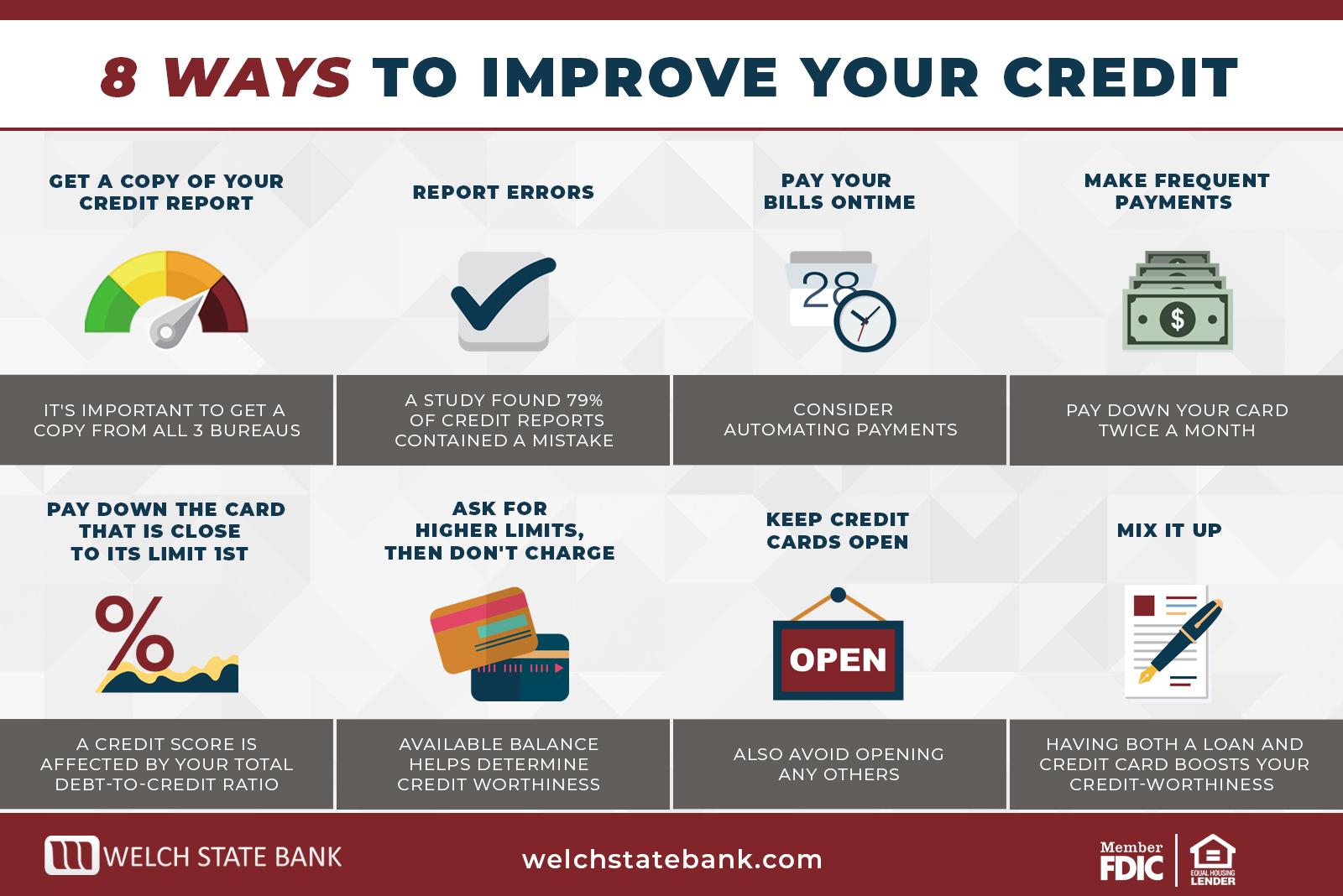
Strategies that worked five years back are typically inadequate today. In 2026, the most effective method to develop credit is through a mix of micro-payments and diversified credit types. Instead of paying an expense when a month, many consumers now utilize automated systems to make weekly payments. This keeps the "average day-to-day balance" low, which is a metric that 2026 algorithms weigh greatly. High usage on the "statement date" is no longer the only issue; the algorithms see the balance each and every single day.
- Cash-Flow Management: Keep a consistent margin in between earnings and expenses to satisfy real-time tracking tools.
- Utility Reporting: Opt-in to programs that report phone, web, and electricity payments to the bureaus.
- Credit Mix: Guarantee a balance between revolving lines (cards) and installation loans (automobile, individual, or credit-builder loans)
- Payment Frequency: Move towards bi-weekly or weekly payments to reduce the impact of interest and lower average balances.
In Tennessee, credit-building specialized accounts have ended up being a popular entry point for young professionals. These accounts serve as a hybrid in between a savings account and a loan, where the transferred cash acts as collateral. The 2026 version of these tools often includes a Online Courses that provides instantaneous feedback on how the account is assisting the user's profile. This instant gratification assists people remain inspired and constant with their financial goals.
Regional Economic Elements in Credit Scoring
Another shift in 2026 is the inclusion of local economic context. Algorithms now consider the expense of living and the local job market in Tennessee when figuring out risk. A $50,000 income in a high-cost area is seen differently than the exact same income in a more budget-friendly area. This hyper-local technique indicates that credit scores are ending up being more relative. A "good" rating in one part of the nation may be computed using somewhat various weights than a score in another, depending on the average financial obligation levels and default rates of the local population.
Lenders are also looking at the stability of the company and the industry the customer operates in. In 2026, someone working in a high-growth sector in Tennessee may get slightly more beneficial terms because the algorithm forecasts greater earnings stability. This has actually resulted in a more nuanced view of credit that accounts for the reality of the local economy. While some critics argue this develops regional variations, others mention that it enables more precise financing in unstable markets.
Monetary therapy has actually adapted to this by offering localized advice. Instead of generic nationwide tips, consultants in Tennessee appearance at local patterns to help clients place themselves better for regional lenders. Comprehending how Online Courses views risk in the current year is essential for anyone seeking to protect a significant loan or home mortgage.

Preserving Strength in a Real-Time World
The speed of monetary information in 2026 ways that recovery from a setback can be much faster, but the margin for mistake is smaller. In the past, a missed out on payment might haunt a report for seven years with really little a consumer could do to offset it. Today, while the late payment stays, the "healing period" is more visible. If a customer reveals six months of impeccable capital and on-time payments following an error, the AI models of 2026 are configured to acknowledge the "rebound" and adjust the score upward more quickly than older models did.
Remaining informed is the best defense against algorithmic volatility. The majority of people in Tennessee now use apps that supply daily updates and informs for any modifications in their profile. These tools typically recommend specific actions, such as "reallocate $200 from savings to pay down Card X," to enhance the rating for the following week. This level of granular control was non-existent in the past but is now a basic part of contemporary monetary life.
As we move through 2026, the relationship in between the consumer and the credit bureau is becoming more interactive. It is no longer a one-way street where the bureau dictates a person's worth. Through using Online Courses, individuals have the power to share more of their financial story, showing their reliability through a larger series of information. The goal of these contemporary algorithms is not to leave out individuals, however to discover more methods to say "yes" by taking a look at the whole picture of an individual's financial life.

Latest Posts

How Professional Financial Guidance Improves Your Score

Steps for Restoring Credit in 2026

Improving Personal Credit Stability for New Growth