All Categories
Featured


The Advantages of Automating Monthly Financial Obligations
Table of Contents

Modern Approaches to Wealth in 2026
The year 2026 has actually brought a shift in how people view and handle their individual financial resources. Gone are the days when easy cost savings accounts and basic 401k contributions were enough to secure a comfy future. The present financial environment needs a more technical understanding of how credit, debt, and properties interact. This is where professional financial therapy has stepped in to fill a space that innovation alone can not bridge. In 2026, the human aspect of counseling concentrates on information analysis and behavioral psychology to assist individuals browse a market that feels more automatic than ever.
Financial therapists now serve as navigators through a complicated labyrinth of digital possessions and standard liabilities. They emphasize that wealth building is no longer a static goal but a constant procedure of modification. Many individuals in North Carolina have actually discovered that generic recommendations from 2025 or earlier no longer uses. Instead, counselors are looking at real-time data to anticipate how rate of interest shifts and inflationary pressures will impact specific purchasing power. Interest in Credit Counseling has actually increased as individuals look for ways to protect their possessions from unpredictable market swings.
Advanced Credit Structure Strategies in North Carolina
Credit has ended up being the main tool for wealth generation in 2026. It is no longer just a procedure of one's capability to pay back a loan but a reflection of total financial health. Professional counselors frequently start by auditing a person's digital credit profile. This consists of looking beyond the 3 standard bureaus to see how alternative information, such as energy payments and membership histories, influences lending decisions. High-tier therapy techniques involve "credit laddering," where customers strategically open and manage specific types of accounts to trigger positive movements in their internal bank ratings.
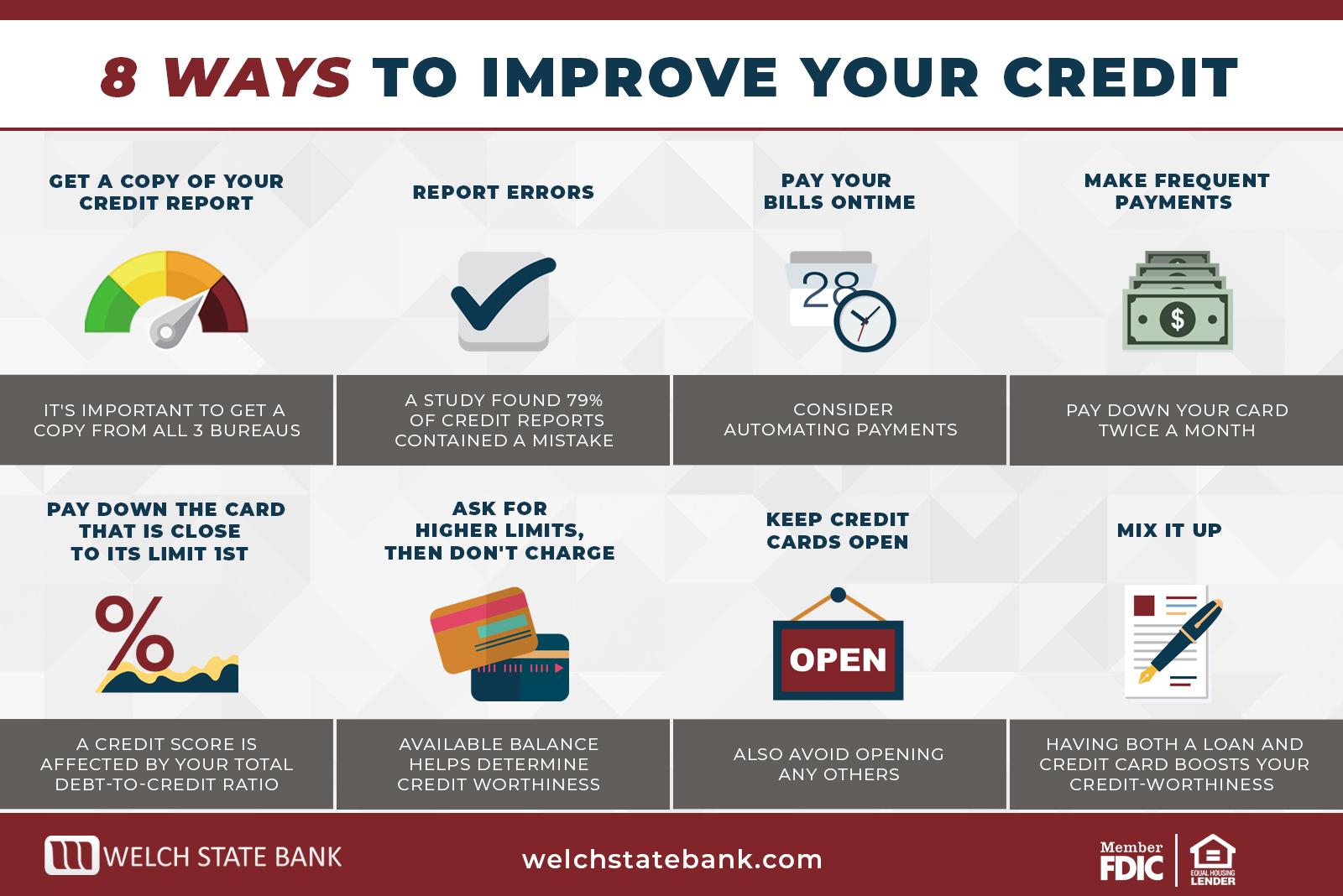
Effective credit management in the present year frequently includes more than just paying bills on time. It requires a deep understanding of utilization ratios and the timing of reporting cycles. Individuals seeking Free Credit Counseling frequently discover that the day a balance is paid matters as much as the amount paid. By lining up payment dates with declaration closing dates, smart consumers can synthetically lower their reported financial obligation, which can result in instant rating improvements. Free Credit Counseling Services uses a structured way to deal with complex debt scenarios that may otherwise stall a person's development toward homeownership or service investment.
The Effect of Free Credit Counseling on Regional Development
Economic stability in North Carolina is carefully connected to the credit reliability of its homeowners. When a big portion of the population has access to low-interest capital, the entire regional economy feels the benefit. Financial therapists are focusing greatly on "algorithmic hygiene," a practice that includes cleaning up digital footprints that might negatively affect an individual's monetary standing. This includes disputing errors in automatic reporting systems that have become more typical as AI-driven background checks end up being the standard for whatever from apartment or condo leasings to job applications.
Counselors also teach clients how to utilize credit as a bridge to financial investment. In 2026, it prevails to use low-interest credit lines to money revenue-generating assets. This technique needs discipline and a clear exit technique, both of which are main styles in modern-day counseling sessions. Success in modern-day markets typically requires specialized Credit Counseling for Families to make sure that every financial relocation is backed by current information rather than out-of-date assumptions.
Technological Combination in 2026 Wealth Therapy
While the human counselor stays main to the process, the tools they utilize have altered. In 2026, monetary therapy includes making use of predictive modeling to show clients exactly where they will remain in 5 or ten years based on their current routines. These models consider cost-of-living changes specific to North Carolina. This level of information helps eliminate the uncertainty from budgeting and enables for more aggressive wealth-building strategies. A therapist may suggest moving funds from a conventional cost savings account into a high-yield digital bond or a fractional real estate platform, depending on the customer's risk tolerance.
Psychology likewise plays a larger function in these sessions. Therapists are trained to determine "spending triggers" that are often exacerbated by the 2026 digital shopping environment. With one-click purchases and social media-driven intake at an all-time high, the therapist's task is to supply a buffer in between the impulse and the action. They help clients develop durable monetary habits that can withstand the continuous pressure to spend. This behavioral coaching is frequently the difference in between somebody who just gets by and someone who really constructs a substantial net worth with time.
Structure Resiliency Through Free Credit Counseling
Financial resiliency is the ability to recuperate quickly from problems. In 2026, setbacks can be available in the form of abrupt job shifts or unforeseen medical costs. Counselors recommend an "emergency situation credit technique" alongside conventional emergency funds. This includes preserving high-limit, zero-balance credit cards that can be used in a crisis, ensuring that the individual does not have to liquidate long-term investments at a loss. This dual-layered approach to security supplies comfort and enables for more positive long-lasting preparation.
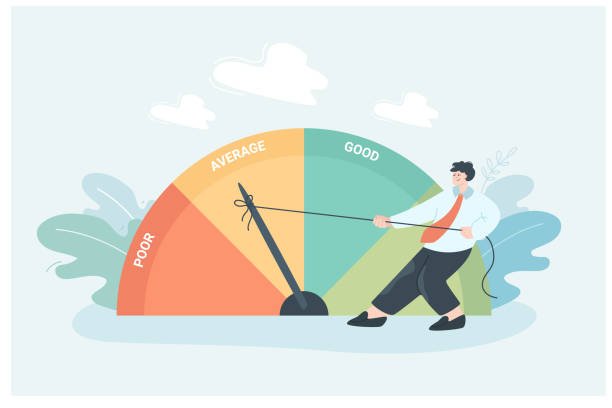
The objective of counseling in North Carolina is to move the client from a state of monetary defense to a state of financial offense. This suggests being proactive about financial obligation rather than reactive. Rather of waiting on a bill to end up being a problem, therapists help clients restructure their financial obligation before it impacts their score. This may include consolidating high-interest loans into a single, manageable payment or negotiating with creditors for much better terms based on a long-standing history of dependability. These techniques are common in professional circles however often overlooked by the public.
The Future of Wealth in North Carolina
Looking towards completion of 2026, the need for top-level financial guidance is expected to rise. As the space in between those who comprehend the digital economy and those who do not continues to widen, the role of the therapist becomes a lot more substantial. They are the gatekeepers of financial literacy, offering the tools necessary for the typical individual to contend in a market controlled by institutional gamers. By focusing on credit structure and tactical debt management, these specialists are helping to produce a more equitable financial environment.
Wealth building in 2026 is less about picking the ideal stock and more about keeping the right financial profile. A high credit report and a low debt-to-income ratio are the secrets to accessing the finest opportunities. Whether someone is seeking to purchase their very first home in North Carolina or starting a small organization, the structure is constantly the very same. Expert counseling provides the plan, the responsibility, and the technical understanding to turn those goals into a reality. The focus remains on constant, sustainable growth that can weather the inescapable shifts of the coming years.

By treating credit as a main asset, individuals can unlock levels of wealth that were formerly reserved for the upper class. The democratization of monetary tools has actually made this possible, but it is the assistance of an expert that makes it practical. As 2026 progresses, those who accept these modern therapy methods will likely discover themselves in a much more powerful position than those who cling to the financial routines of the past. Success refers preparation, information, and the willingness to adapt to a changing economic environment.

Latest Posts
How Professional Financial Guidance Improves Your Score

Steps for Restoring Credit in 2026

Improving Personal Credit Stability for New Growth